

Mazio Maths for countries and regions
Mazio Maths is a learning platform for primary maths lessons, developed from mathematics education research. It runs in the browser and as an app, with nothing to install at schools, and is used in regular lessons at several hundred schools in Germany.

Units and practice for all five content areas
The content is organised by the five content areas of the German national education standards and designed for the two-year bands of grades 1/2 and 3/4. The teacher decides which content is used in which grade.
 Number and Operations
 Shape and Space
 Measures
 Patterns and Structure
 Data, Chance and Combinatorics
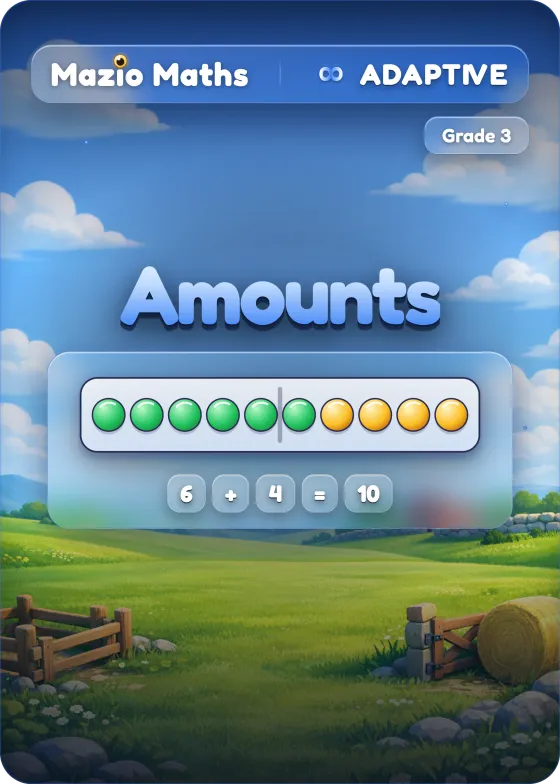
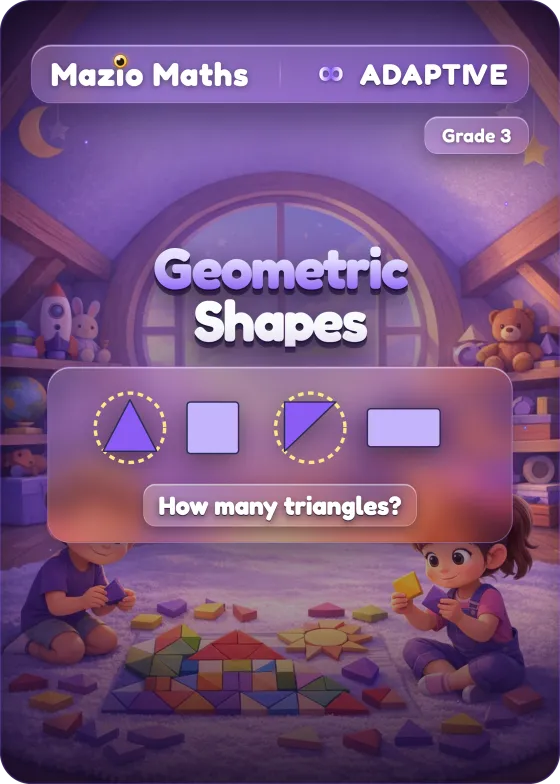
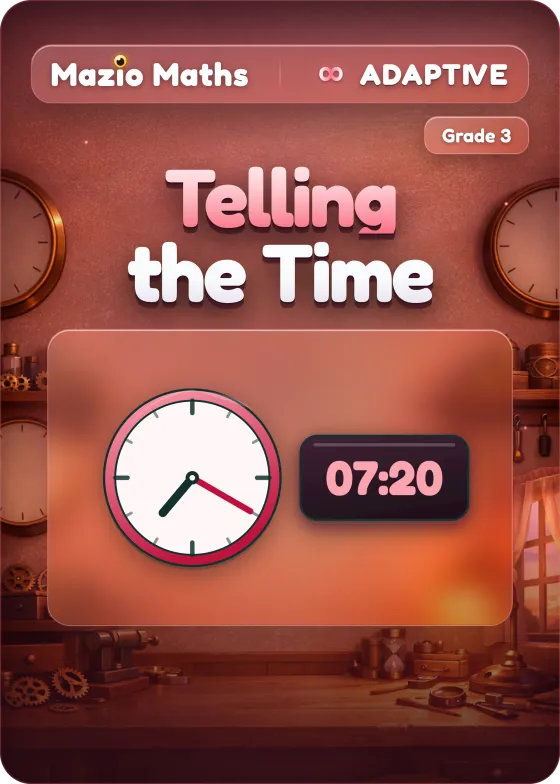
Units
Build up a topic step by step. Each unit is a learning path of several stations, each with many tasks, from first discovery to confident mastery.
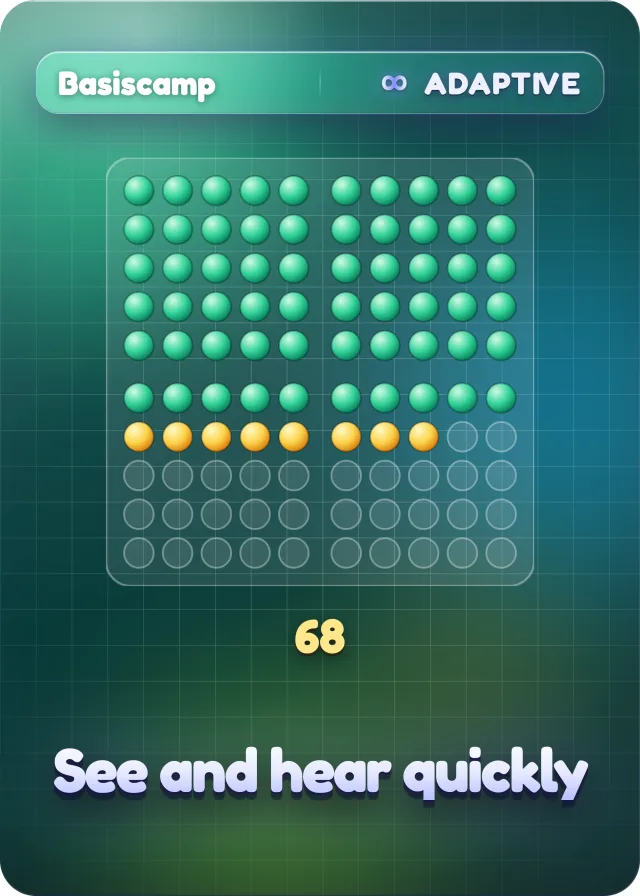
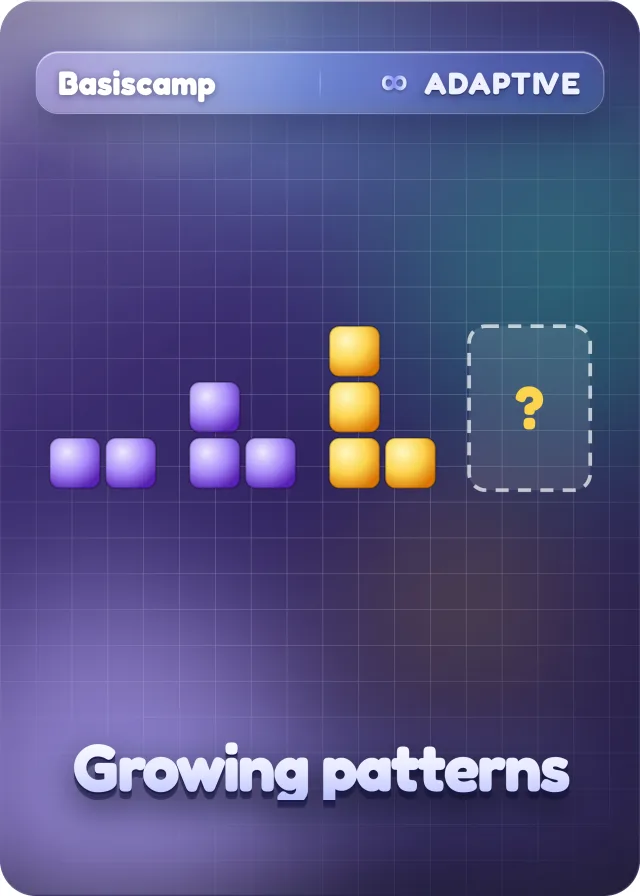
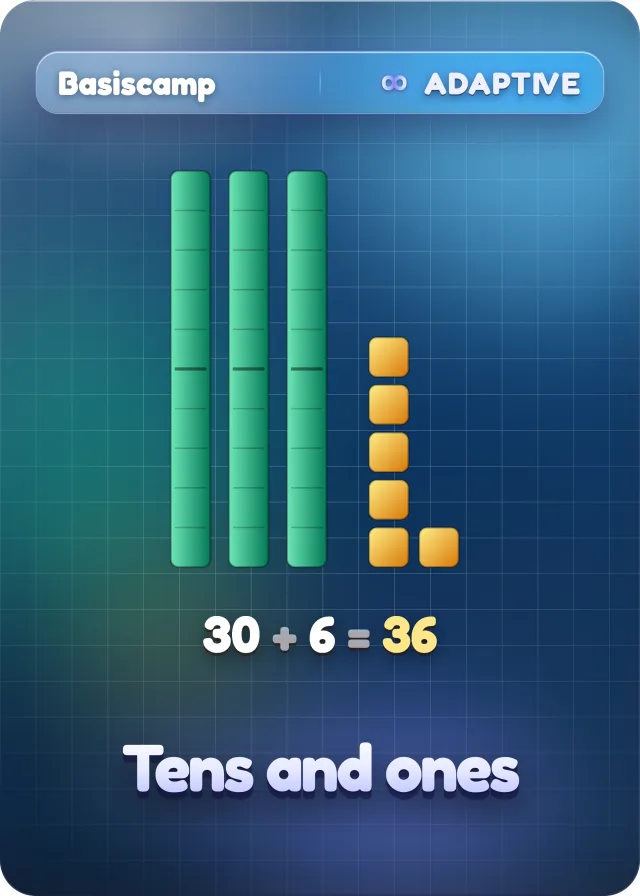
Basiscamp
Builds up calculation skills step by step, from number sense and place value through mental calculation and times tables to informal written and formal written methods. It also includes worlds on patterns, balance and puzzles.
Knobelbox
Develops mathematical problem solving. Short tasks from all five content areas get children thinking, from sudoku to combinatorics. Teachers can put together puzzle sets from them, for example for the start of a lesson.
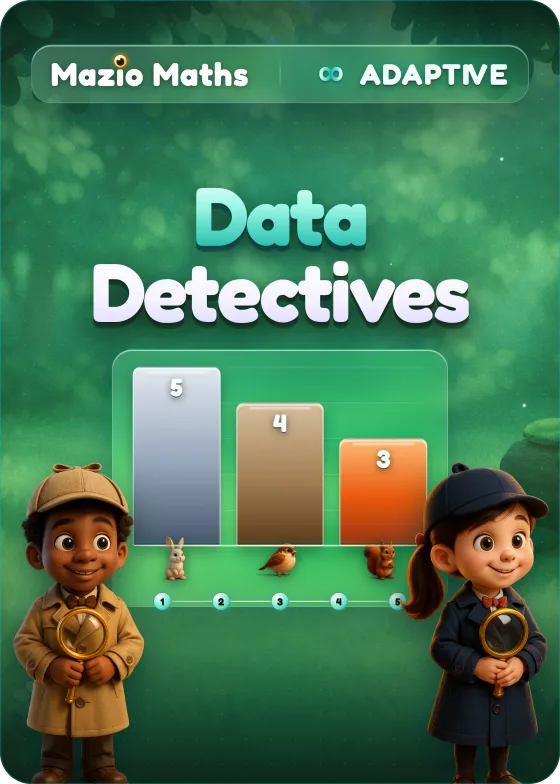
Securing core skills, supporting learning with data
Since PISA 2025, secure core skills in mathematics have been high on the agenda. Individual diagnostics, adaptive support and data-informed development of teaching are called for. Mazio Maths brings these three things into regular primary maths lessons.
Diagnostics run alongside lessons. The difficulty adapts to each child’s previous work, and the evaluation continuously shows the teacher where their own class stands in the five content areas, without extra testing time.
Using fixed rules, the system recognises known error patterns in wrong answers. If a misconception shows up in a class, the teacher receives a flag for the whole class once a week, without names and with suggestions for suitable exercises. The teacher decides what goes into the lesson.
Mazio Maths was developed from mathematics education research and is used at several hundred schools in Germany. The provider is MatheZeit UG (haftungsbeschränkt).
Study and independent evaluation
Mazio Maths was tested in a scientific study with a comparison group at primary schools in Germany. Children in grades 3 and 4 who learned with Mazio Maths for six weeks in their regular maths lessons made greater gains in maths skills than the comparison group, without extra learning time. The gain was most marked in the structure-related areas, especially in patterns and structures.
We support a further independent evaluation, for example by a state institute or another independent body as part of a pilot. We provide the necessary data in aggregated form and within the limits permitted by data protection law. The research question, analysis and conclusions rest solely with the evaluating body.
About the study
Data protection architecture
The answers summarise how data protection is set up in Mazio Maths. The path of a request to the learning assistant and the full checklist are described under data protection for schools.
The school is the controller and MatheZeit UG (haftungsbeschränkt) is the processor. The data processing agreement is concluded electronically under Article 28(9) GDPR. Where Mazio Maths is provided under a contract with a state or national administration, that contract alone applies.
Each child has their own eight-character access code, not issued in sequence. Names in plain text, email addresses, photos, audio recordings, location data and device identifiers are not collected.
Optional. If the teacher keeps them digitally, they are encrypted with the teacher’s PIN and can only be read on the teacher’s device. The provider does not know the PIN.
We process personal data exclusively in the EU, and pupils’ data exclusively in Germany. The language model of the learning assistant only receives the task and the answer, without any identifier, and processes them in EU data centres.
The language models of the learning assistant receive no personal data. They only receive the task and the answer given, without code, name or class. Personal data is not transferred to any third country.
Teachers only see their own classes. Children are never ranked against each other. The evaluation does not lead to any automated decisions about a child.
The provider does not process data for its own purposes. There is no advertising, no in-app purchases and no chat between users.
Learning data is kept until the teacher deletes it, for at most 18 months after last use. Learning assistant histories without identifiers are deleted after 90 days.
Mazio helps when a child makes a mistake
When a child makes a mistake, the learning assistant Mazio steps in. He points to the key part of the task, asks a question and offers answers to tap. He does not give the solution; the child takes the next step on their own.
This way every child gets help with exactly the mistake they have just made.
Mazio does not assess performance. He gives no marks, does not assign any child to a level and makes no decisions about access or educational pathways. That remains the teacher’s responsibility.
Integration and accessibility
Mazio Maths can be connected via LTI 1.1 and LTI 1.3 to learning platforms that support this standard. The learning platform transmits a pseudonymous user identifier and the role, learner or instructor. Its operator acts as processor for the school or the administration. Nothing needs to be installed at schools; Mazio Maths runs in the browser and as an app on iOS and Android.
On accessibility, we follow the EN 301 549 standard and the WCAG web guidelines at level AA, and test against them internally.

Routes to provision
Trials and licences are currently offered to schools in Germany. If you are considering Mazio Maths for schools in your country or region, for a pilot or for wider provision, please request a quote or write to us.
Frequently asked questions
Where does Mazio Maths come from?
Developed from mathematics education research and in use in regular lessons at primary schools in Germany. The content is aligned with the German curriculum standards. Teachers control its use, class by class.
What is known about its impact?
A scientific study with a comparison group, conducted in Germany. Children who learned with Mazio Maths made greater gains in maths skills. The gain appeared in both grades and was most marked in the structure-related areas. Results and limitations are openly documented.
How is data protection set up?
No pupil accounts; each child works with their own access code. The diagnostics are rule-based and traceable. The evaluations are intended for the class’s own teacher. We process personal data exclusively in the EU, and pupils’ data exclusively in Germany. No advertising, no disclosure to third parties.
Is this a high-risk system under the AI Act?
The European Commission’s draft guidelines name adaptive learning systems and tutoring systems that give feedback and learning support as examples that are not high-risk. Mazio Maths adapts the difficulty to the child’s previous work and does not assign children to any course or ability level on which a school bases decisions. Only the class’s own teacher sees learning progress. The teacher decides on teaching and support.
How would provision across a whole state or country work?
One contract, one data protection review, one consistent standard for documentation and support. There is no technical rollout at schools, because Mazio Maths runs in the browser.
What procurement routes are there?
A state or national licence, a framework agreement or inclusion in a catalogue of learning materials. Where your administration keeps such a catalogue, we submit the application and supply the documents the procedure requires.
What does a state or national licence cost?
That depends on the number of children and the term. We prepare a quote for provision across a whole state or country. Request a quote
How does a pilot work?
We agree on scope, term and support together. We support an independent evaluation by state institutes or third parties and provide the necessary data within the permitted limits.
Questions
For questions about data protection, the didactic approach or provision, you can reach us via the contact form.